In the dynamic landscape of modern construction, mezzanine floors have emerged as a versatile solution to space optimization challenges, gaining traction across various sectors, including Ontario. Their intermediate positioning within buildings allows for efficient vertical expansion without increasing the building footprint, making them particularly appealing in urban areas where real estate is at a premium. Mezzanines in Ontario offer agility and customization, swiftly adapting to changing business needs while minimizing disruption to operations. In warehouses, they enhance inventory management efficiency by creating additional storage space, particularly with the integration of mezzanine racking systems. In commercial settings, they create opportunities for additional retail or office space, facilitating business growth without the need for costly expansions or relocations. Constructed from durable materials like steel, mezzanine floors ensure structural integrity and safety compliance, meeting the stringent standards of regions like Ontario. As businesses seek cost-effective and flexible spatial solutions to accommodate their evolving needs. Mezzanine floors continue to revolutionize modern construction practices, reshaping the way we utilize and maximize available space. Their versatility, efficiency, and durability position them as a cornerstone of contemporary architectural innovation, driving transformative change in the built environment.
Understanding Mezzanine Floors
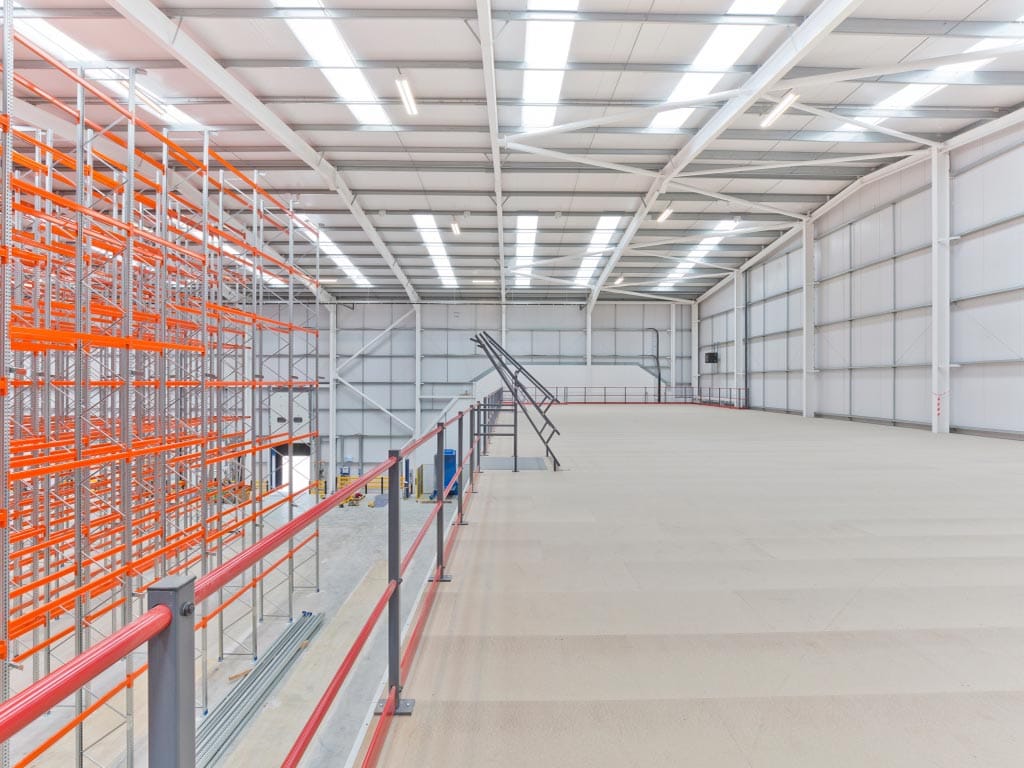
Before delving into their benefits, it’s essential to grasp the concept of mezzanine floors. These are intermediate floors constructed between the main floors of a building, typically partially open to the floor below. Mezzanines serve various purposes, from expanding storage capacity to creating additional office space or retail areas without the need for expanding the building’s footprint.
1. Space Optimization
One of the primary drivers behind the increasing adoption of mezzanine floors is their unmatched ability to optimize space utilization. In densely populated areas like Ontario, where real estate prices are soaring, maximizing every square foot of available space is imperative. Mezzanines offer a cost-effective solution by making efficient use of vertical space. Effectively doubling the floor area without expanding the building’s footprint.
In warehouses, for instance, installing mezzanine floors enables businesses to capitalize on unused overhead space, creating additional storage capacity without compromising accessibility. This is particularly beneficial for industries dealing with seasonal fluctuations in inventory. Allowing for flexible expansion and contraction of storage space as needed.
2. Flexibility and Adaptability
Mezzanine floors are inherently flexible, offering versatility in design and application. Unlike traditional building extensions or renovations, which are often time-consuming and disruptive, mezzanines can be installed relatively quickly with minimal disruption to ongoing operations. This adaptability is especially advantageous for businesses seeking to scale their operations without committing to long-term, costly construction projects.
Moreover, mezzanines can be customized to suit specific requirements, whether it’s creating office space, retail areas, or additional production facilities. In the context of warehousing, this flexibility allows businesses to reconfigure their storage layout as needed. Accommodating changes in inventory size, handling processes, or workflow optimization.
Also Read: How Pallet Racking Systems Streamline Warehouse Logistics for Success?
3. Cost-Effectiveness
From a financial perspective, mezzanine floors offer a compelling value proposition. Compared to conventional building expansions or relocations, which entail significant upfront costs and lengthy construction timelines. Mezzanine installations are relatively affordable and time-efficient. The modular nature of mezzanine systems further contributes to cost-effectiveness. As they can be disassembled and relocated with minimal hassle, providing long-term flexibility and scalability.
For businesses operating in competitive markets like Ontario, where cost optimization is paramount, the ability to maximize space utilization and operational efficiency without breaking the bank is a significant advantage. Mezzanines offer a cost-effective alternative to traditional construction methods, delivering tangible returns on investment through increased productivity and revenue generation.
4. Structural Integrity and Durability
Mezzanine floors are typically constructed using sturdy materials such as steel, ensuring robust structural integrity and long-term durability. This is particularly crucial in industrial settings, where floors are subjected to heavy loads and constant foot traffic. Steel mezzanines, in particular, offer superior strength and resistance to wear and tear, making them ideal for warehousing and manufacturing environments. Moreover, the integration of Cantilever Rack systems further enhances storage efficiency and accessibility, allowing for the seamless organization of inventory and materials. In regions like Ontario, where stringent building codes and safety regulations are enforced, investing in high-quality mezzanine systems provides peace of mind. Knowing that the infrastructure meets the necessary standards for structural stability and occupant safety. Whether it’s optimizing storage space or improving operational efficiency. The combination of steel mezzanines and Cantilever Rack systems offers a comprehensive solution tailored to the unique needs of industrial facilities. Ensuring compliance with regulations while maximizing productivity and safety.
5. Enhanced Productivity and Efficiency
By creating additional usable space within existing structures, mezzanine floors contribute to improved productivity and operational efficiency. In warehousing facilities, for example, the strategic placement of mezzanine levels can optimize workflow patterns. Reducing the time and effort required to retrieve or store inventory items. This not only enhances overall efficiency but also minimizes labor costs associated with manual handling and logistics.
Moreover, mezzanines facilitate better organization and inventory management by segregating different product categories or workflow zones. Streamlining the fulfillment process and reducing errors or delays. In fast-paced industries where timely order fulfillment is critical, the operational benefits offered by mezzanine floors can provide a competitive edge. Enabling businesses to meet customer demands more effectively.
Conclusion
In conclusion, the rising popularity of mezzanine floors in modern construction, particularly in regions like Ontario, is a testament to their numerous benefits and transformative potential. From space optimization and flexibility to cost-effectiveness and structural integrity. Mezzanines offer a versatile solution for businesses seeking to maximize their operational efficiency and adapt to evolving needs. The versatility of mezzanine floors extends beyond mere spatial expansion; they serve as catalysts for innovation and growth across various industries. Whether it’s expanding storage capacity in warehouses to accommodate burgeoning inventories. Creating additional office space in commercial buildings to foster collaboration and productivity. Optimizing production facilities in manufacturing plants to streamline workflows and enhance output. Mezzanine floors provide a scalable and customizable platform for sustained growth and success. As the demand for innovative space solutions continues to grow amidst the dynamic landscape of modern business environments, mezzanine floors are poised to remain at the forefront of architectural innovation. Driving efficiency, productivity, and profitability across diverse industries while reshaping the built environment for the future.

Leave a Reply